Shafaqna India: The observance of Muharram in India has inspired devotion and reverence among both Muslims and non-Muslims for a long time. Over the centuries, the commemoration of Imam Hussain (AS) martyrdom has evolved into a remarkable tradition of interfaith harmony and shared cultural heritage.
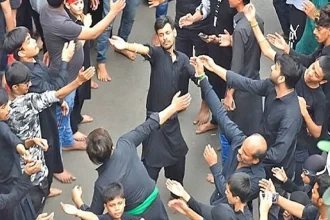
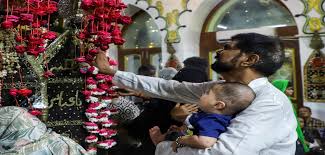
While Muslims across the world mourn the sacrifice of Imam Hussain (AS) at Karbala, the observance in India is distinguished by its emotional depth and broad social participation. One of its most striking features is the active involvement of Hindus in Muharram rituals across the country. In towns and villages alike, Hindus join Muslims in mourning Imam Hussain (AS), participating in and supporting tazia processions that carry replicas of his shrine in Karbala.
The annual commemoration leaves a profound impact on Indian society. Although the majority of India’s population is non-Muslim, it is common to see people from different faiths taking part in Muharram observances. The devotion transcends social and economic barriers, drawing participation not only from Hindus but also from Sikhs, Jains, and Christians.
In Varanasi, one of the foremost centres of Hindu tradition, Muharram is observed with enthusiasm and significant Hindu participation. The city’s Shiwala locality is renowned for its exquisitely crafted tazias and depictions of Zuljanah, the horse of Imam Hussain (AS). Similar traditions can be witnessed in Lucknow, Prayagraj, Kanpur, Hyderabad, Kolkata, Mumbai, Chennai, Amroha, Indore, Nagpur, Jaipur, and Bhopal.
Urdu elegies and cultural expression
Muharram has also enriched India’s literary traditions. Urdu elegies (marsiyas) and lamentations have contributed significantly to the development of Urdu literature while serving as powerful vehicles of religious and cultural expression.
Many Hindu poets have composed celebrated marsiyas and elegies in honour of Imam Hussain (AS), reflecting the deep cultural resonance of Karbala across religious boundaries. In many parts of rural India, Muharram observances continue to provide a sense of social cohesion, emotional support, and shared identity among communities.
Together, these traditions demonstrate how the legacy of Imam Hussain (AS) transcends religious boundaries in India, fostering a culture of remembrance, sacrifice, justice, and communal harmony.
Sources: Awaz The Voice