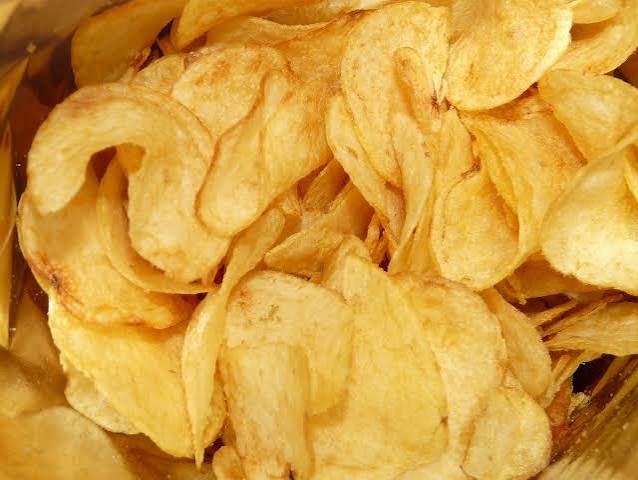
Shafaqna Health: Ultra-processed foods (UPFs) are highly processed foods that contain additives. They generally contain high levels of fat, sugar, carbohydrates, sodium, and energy.
There is increasing evidence that they may be harmful to our health. One recent study linked UPF intake to 32 adverse health effects, including cardiovascular disease, type 2 diabetes, and obesity.
But how do UPFs have these adverse effects? A new study suggests that high UPF intake can alter metabolites in the blood, increasing levels of harmful fatty acids and decreasing levels of fats that are essential for cellular functions.
The study, published in Critical Reviews in Food Science and Nutrition, suggests that not only does excess fat from UPFs enter the blood, but that the foods may also stimulate the body to produce lipids from excess carbohydrates in the diet.
Jessica Blanco-López, MD PhD, lead author of the study, and Head of the Research Department at the School of Medicine, Universidad Francisco Marroquín, Guatemala, told Medical News Today:
The researchers analysed data from the EPIC cohort study, in which more than 520,000 volunteers from 10 European countries — Denmark, France, Germany, Greece, Italy, the Netherlands, Norway, Spain, Sweden, and the United Kingdom — were enrolled between 1992 and 2000.
Most participants were aged between 35 and 70 years, with women making up around two-thirds of the cohort.
At enrolment into the EPIC study, all participants completed two comprehensive questionnaires, about lifestyle and about their diet during the previous 12 months, with a random sample of people completing a 24-hour dietary recall. They also gave blood samples and body measurements.
For this latest study, researchers analysed the dietary questionnaires of over 15,200 people. They categorised foods by the NOVA system, which groups foods into one of four groups according to how much processing they have undergone:
NOVA 1 is unprocessed or minimally processed foods, such as fresh, dry or frozen fruit, vegetables, legumes, meat, fish, eggs and milk
NOVA 2 are processed culinary ingredients — these include oils, butters, sugar, salt, and foods that have been pressed, refined, ground, milled or dried for use in cooking
NOVA 3 includes processed foods, such as canned vegetables and fish, fruits in syrup, cheeses and freshly made breads, that are made by adding salt, oil, sugar to unprocessed or minimally processed foods
NOVA 4 is UPFs, which are made from the products of industrial processes; containing flavors, colors and emulsifiers to increase palatability, they include soft drinks, sweet and savoury packaged snacks, reconstituted meat products and pre-prepared frozen foods.
The researchers recorded UPF intake in grams per day, rather than calories, to allow for consumption of low calorie or calorie-free foods and drinks that may contribute significantly to overall intake but not calorie intake.
Participants’ median intake of UPFs was around 12.6% of their diet. Actual UPF intake ranged from 0 to 2,890 grams (g) per day.